Great Wall guide
Best Time to Visit the Great Wall of China
When to visit the Great Wall: best months, crowd calendars, 2026 Chinese holidays to avoid, and what each season is really like on the wall.
Last updated: September 26, 2026
The short answer
April–May and September–October, on a weekday morning, avoiding Chinese public holidays. That's the formula. Everything below explains why — and what happens when you deviate from it.

The crowd calendar: holidays to avoid
This matters more than the season. China's public holidays move enormous domestic crowds, and the wall — especially Badaling — absorbs them all.
2026 holidays to plan around (State Council calendar):
- Spring Festival: February 15–23 — the year's biggest travel period
- Qingming Festival: April 4–6
- Labour Day: May 1–5
- Dragon Boat Festival: June 19–21
- Mid-Autumn Festival: September 25–27
- National Day "Golden Week": October 1–7 — avoid at all costs
Golden Week is the extreme case: Badaling's 65,000/day cap gets tested, and the experience degrades from "historic wonder" to "crowd management exercise." If your dates are fixed over a holiday, your best defenses are a weekday visit and Mutianyu or Jinshanling instead of Badaling.
Season by season
Spring (April–May): Arguably the best. Mild temperatures, blossoms on the hillsides, clear air. Late April into May is peak pleasant — and peak popular, so keep the weekday rule.
Summer (June–August): Hot, hazy, and crowded with school holidays. Mornings are still good; afternoons on the exposed ridge can be brutal. Thunderstorms are the real risk — Mutianyu officially closes the wall in storms and high winds, so check the sky and have a backup day.
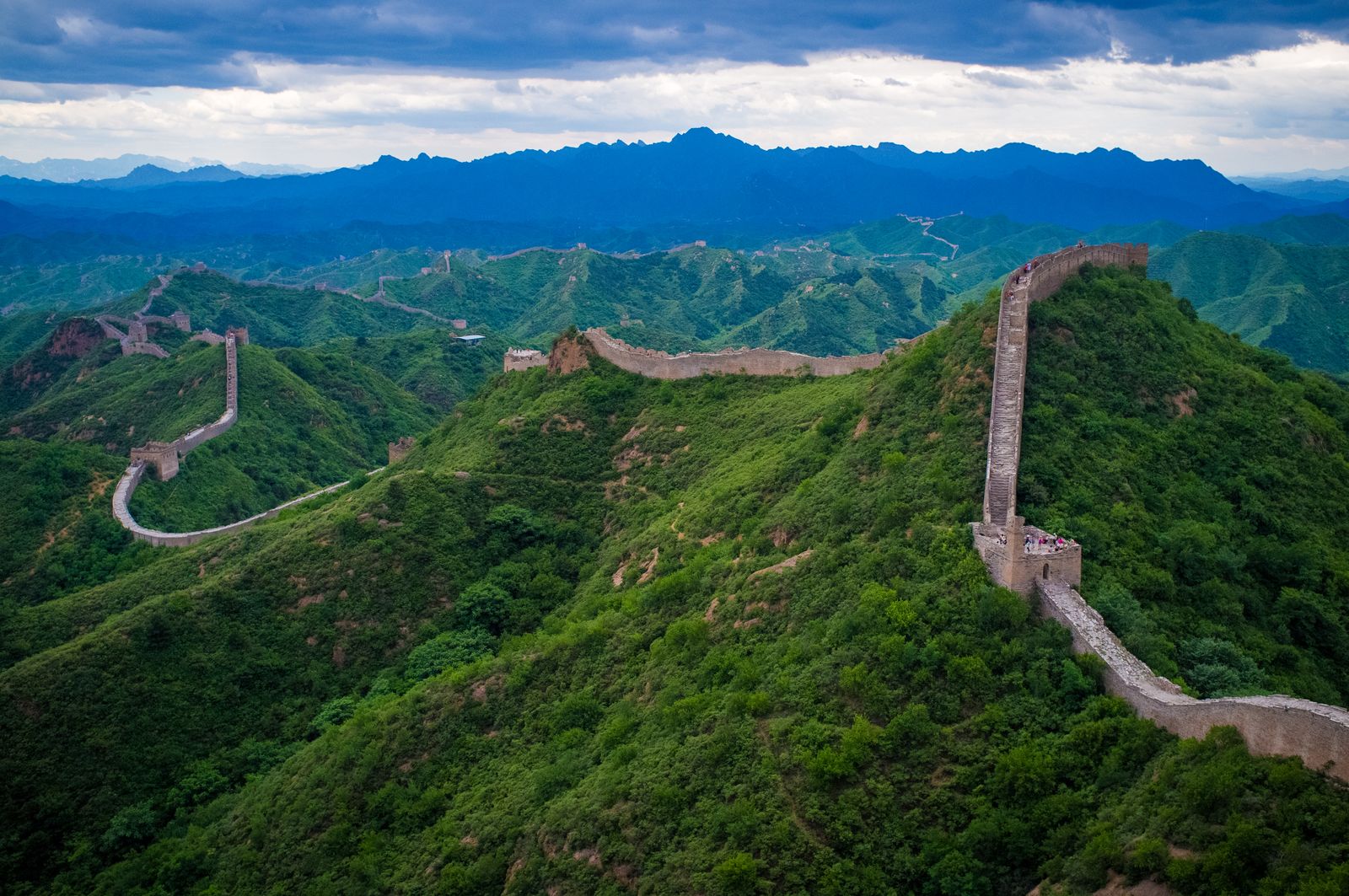
Autumn (September–October): The photographer's season. Clear blue skies, crisp air, and hillside foliage that peaks around mid-to-late October (Badaling's red leaves are famous, roughly late October into early November — varies yearly). Early October means Golden Week; mid-to-late October weekdays are close to perfect.
Winter (November–March): Empty and starkly beautiful — and genuinely harsh. Icy steps, windchill at the towers, short days. Some facilities reduce hours. But on a clear, calm winter weekday you may share Mutianyu with almost no one. Wear real winter layers and traction-capable shoes; skip it in active snow.
Time of day
Morning wins. Be on the wall by 9–10 AM for the coolest temperatures, thinnest crowds, and best photography light — plus a buffer if your transport runs late. Midday is the hottest and busiest. Late afternoon gives beautiful angled light (and at Jinshanling, the famous sunset), but don't start a long hike with less than 3 hours before closing — descents always take longer than ascents.
The cheat sheet
| Priority | Choice |
|---|---|
| Best months | April–May, September–October |
| Best days | Tuesday–Thursday |
| Best arrival | On the wall by 9–10 AM |
| Avoid | Oct 1–7, May 1–5, Feb 15–23; Saturday afternoons |
| Wildcard | A clear winter weekday — empty and dramatic |
Pair this with getting there from Beijing (morning transport logistics) and what to bring (dressing for the season).
Frequently asked questions
What are the best months to visit the Great Wall?
April–May and September–October, by traveler consensus: mild temperatures, clear skies, and (in autumn) spectacular foliage. These are also popular, so weekdays matter even in good months.
Which Chinese holidays should I avoid?
National Day Golden Week (October 1–7, 2026) above all — domestic crowds are at their absolute peak. Also avoid Labour Day (May 1–5) and Spring Festival (February 15–23). If your trip overlaps a holiday, visit on a weekday and choose Mutianyu or Jinshanling over Badaling.
Is the Great Wall open in winter?
Yes, but it's a serious winter hike: icy steps, biting wind at exposed towers, and possible temporary closures in snow or high winds (Mutianyu officially closes in severe weather). Go on a clear, calm day with proper layers and grippy shoes.
What time of day is best?
Morning — arrive by 9–10 AM. Cooler, quieter, better light, and a buffer against transport delays. Late afternoon works too, but don't cut it close to closing; descents take longer than you expect.
Related guides
Where to Stay for a Great Wall Visit
Most visitors should stay in Beijing — but the right neighborhood (or a night at the wall) changes the whole day.
Updated September 26, 2026
What to Bring and Wear for the Great Wall
The wall is a mountain hike, not a museum visit. Here's the packing list that keeps you comfortable.
Updated September 26, 2026
Note: GreatWallVisit is an independent travel information site and is not affiliated with any Chinese government body, tourism authority, or ticket vendor. Always verify prices, hours, and entry rules through official channels before your visit.